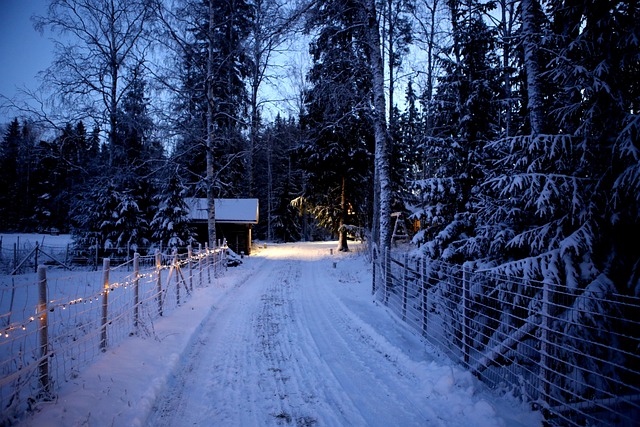
New Bedford residents often turn to fence repair and installation to enhance their outdoor spaces. This guide delves into the essential aspects of creating or restoring your New Bedford fence. We’ll explore how to navigate local regulations, select the ideal style and material for your needs, and provide a detailed step-by-step installation process. Additionally, we’ll offer solutions to common issues, ensuring a durable and aesthetically pleasing fence that adds value to your property.
- Understanding New Bedford Fence Requirements
- Choosing the Right Fence Style and Material
- Installation Process: Step-by-Step Guide
- Common Issues & Effective Repair Techniques
Understanding New Bedford Fence Requirements
When it comes to fence repair and installation in New Bedford, understanding the local requirements is essential for a successful project. The city of New Bedford has specific regulations regarding fencing, including height restrictions, spacing, and materials. These guidelines are designed to maintain the aesthetic appeal and functional integrity of neighborhoods while ensuring safety and privacy for residents. Property owners should familiarize themselves with these rules to avoid any legal issues during or after the installation process.
The first step in any fence project is to check with the local building department to obtain the necessary permits. This process allows contractors or homeowners to understand what types of fences are permitted, their allowed heights, and any additional considerations like setbacks from property lines or public spaces. Compliance with these requirements not only ensures a smooth installation but also guarantees that your fence will be legally sound and in harmony with the community’s guidelines.
Choosing the Right Fence Style and Material
Choosing the right fence style and material is an essential step in ensuring your New Bedford property gets the protection and aesthetic appeal it deserves. It’s crucial to consider factors like security needs, weather conditions, and personal taste when making this decision. For instance, a sturdy metal fence might be ideal for areas prone to harsh storms, offering both durability and a robust barrier against potential intruders. On the other hand, wood fences exude natural beauty and can enhance curb appeal, but they require regular maintenance to withstand local environmental factors.
Additionally, different styles cater to diverse preferences. From traditional picket fences that offer a classic look to modern privacy panels that provide a sleek design, each option has its unique advantages. Consider the overall layout of your property and how much visibility you want to maintain or conceal. By balancing functionality and aesthetics, you can create a fence that not only serves as a boundary but also adds value to your New Bedford home.
Installation Process: Step-by-Step Guide
The installation process for a new fence begins with meticulous planning and preparation. First, assess your property lines and ensure the chosen fence design aligns with local regulations. Then, clear the site by removing any vegetation or debris that might interfere with construction. Dig post holes at the designated locations, making sure they are deep enough to support the fence’s structural integrity.
Next, insert the wooden posts into the holes and secure them with concrete, allowing it to set thoroughly. After the concrete hardens, attach the vertical supports and horizontal rails according to your chosen fence style. This step involves precise measuring and nailing or screwing the components together. Once the frame is complete, install the fencing panels, ensuring they are securely fastened for maximum durability.
Common Issues & Effective Repair Techniques
Fences, despite their sturdy appearance, are prone to various issues over time due to environmental factors and regular use. Common problems include broken or missing pickets, damaged posts, loose or rusted hardware, and holes or tears in the fence fabric. These issues can compromise both the aesthetic appeal and structural integrity of your fence.
Effective repair techniques address these concerns with precision. For broken pickets, simply replacing them is often sufficient. More extensive damage to posts may require reinforcement or complete replacement. Tightening or lubricating rusted hardware can prevent further decay. In cases of fabric tears, repairing or replacing the affected sections ensures the fence remains secure and functional.