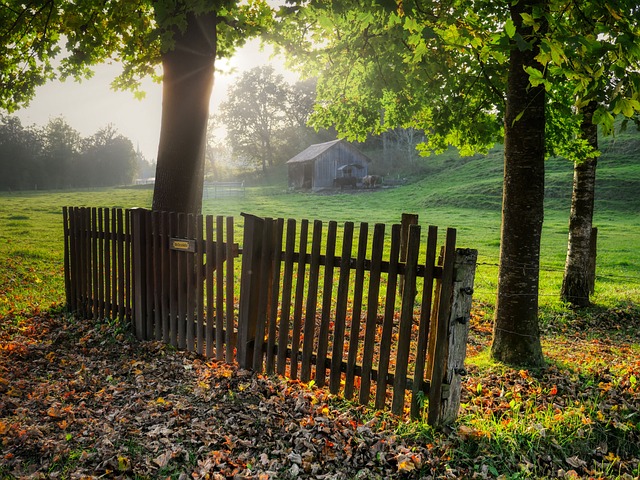
Maintaining a privacy fence is essential for New Bedford homeowners, offering both security and aesthetic appeal. This guide provides comprehensive tips tailored to the unique needs of local fences. We’ll delve into understanding your fence’s materials, from wood and vinyl to their respective care requirements. Regular cleaning, inspections at key points, and seasonal care will ensure your privacy fence stands strong against the elements and remains a valuable investment for years to come.
- Understanding Your Privacy Fence's Materials and Needs
- Regular Cleaning and Maintenance for Longevity
- Key Inspection Points to Prevent Repairs
- Seasonal Care Tips for Optimal Performance
Understanding Your Privacy Fence's Materials and Needs
Privacy fences are an investment in your home’s security and aesthetics, so understanding their materials and maintenance needs is crucial for New Bedford homeowners. Different fence types—wooden, vinyl, or metal—have distinct care requirements. For instance, wooden fences require regular cleaning and sealing to protect against rot and pest damage, while vinyl fences need minimal upkeep beyond occasional washing. Metal fences, though durable, may demand periodic painting or coating to prevent corrosion.
Regular inspection is key to maintaining your privacy fence. Look for signs of wear, rot, or damage, addressing issues promptly to avoid larger problems. Keep an eye out for loose posts, rotten boards, or broken chains, and don’t hesitate to consult a professional if needed. Proper maintenance not only extends the life of your fence but also ensures it continues to provide the privacy and security you desire.
Regular Cleaning and Maintenance for Longevity
Regular cleaning and maintenance are essential for ensuring your privacy fence remains in top condition and serves its intended purpose for many years to come. Start by sweeping or blowing away any leaves, debris, or dirt that may accumulate on the fence’s surface and posts. This simple step helps prevent blockages that could rot the wood or corrode metal components over time.
Use a soft-bristled brush or garden hose to gently clean the fence, removing any stains or buildup caused by bird droppings, mold, or mildew. For wooden fences, apply a fresh coat of water-based preservative or sealant at least once a year, following the manufacturer’s instructions. Metal fences should be wiped down with a mild detergent and rinsed thoroughly; consider using a corrosion-resistant paint for added protection. Regular maintenance not only keeps your fence looking its best but also prevents costly repairs in the future.
Key Inspection Points to Prevent Repairs
When it comes to maintaining your privacy fence, regular inspections are key to preventing costly repairs. Here are some critical points to check during each inspection. First, assess the overall structural integrity of the fence, looking for any signs of rot or damage in the posts, rails, and planks. Even minor issues can escalate if left unattended, so be vigilant about replacing rotten wood promptly.
Second, examine the fence’s alignment and stability. Ensure all panels are securely fastened and level, as a tilted or misaligned fence is not only an eyesore but can also compromise its strength. Check for loose connections at joints and brackets, tightening them as needed to maintain the fence’s structural soundness. Lastly, keep an eye out for any signs of pest infestation, such as insects or small animals burrowing into the wood, which could lead to weakened barriers.
Seasonal Care Tips for Optimal Performance
Privacy fences, much like any other outdoor structure, require seasonal care to maintain their optimal performance and longevity. During the spring, inspect your fence for any damage incurred over winter, especially if ice or heavy snow has been a factor. Repair or replace any broken boards, posts, or rails as soon as possible to prevent further deterioration. A fresh coat of paint or sealant can also protect against elements and extend the life of your fence.
In summer, regular cleaning is essential. Remove any debris, such as leaves or branches, that may accumulate on top of or around your fence. Use a soft brush or garden hose to clean the surface gently, avoiding harsh chemicals or abrasive materials. Lastly, in autumn, consider treating your fence with a waterproof sealer to protect against the upcoming colder months and potential snow accumulation, which can cause rot and damage.